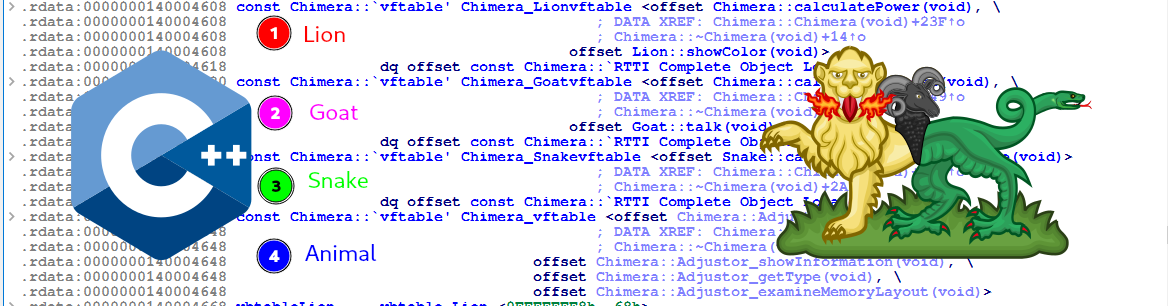
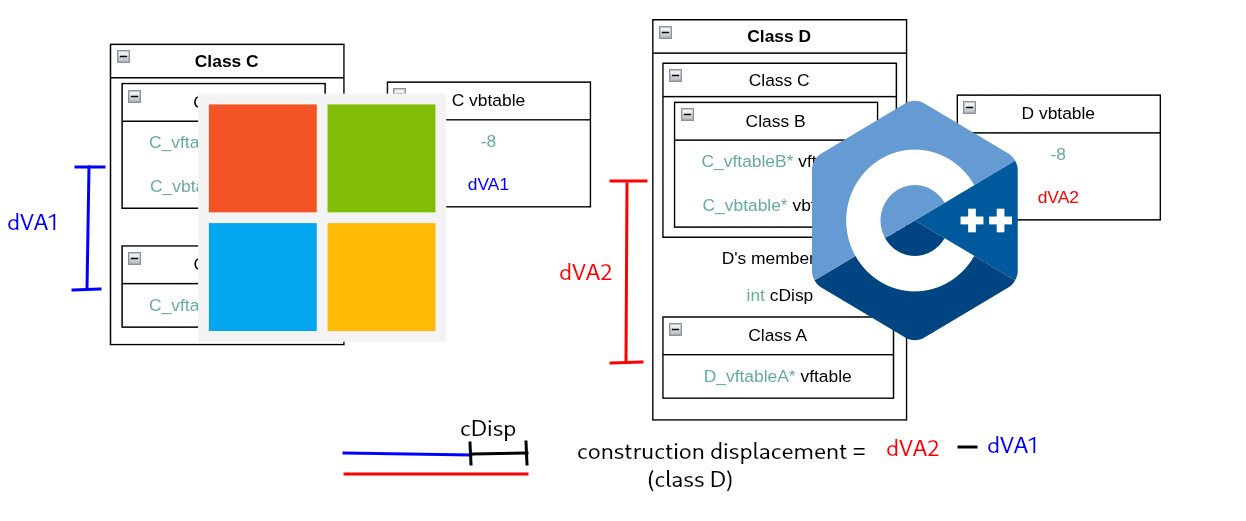
In this post we apply the theory presented on a previous post about Virtual Inheritance in MSVC to a custom EXE, while analyzing it using the IDA disassembler. Hop on for a small adventure on this obscure topic!
I recently got into Reverse Engineering C++ PEs with Virtual Inheritance and found there's little to no information about MSVC compiler's internals and custom fields to manage this case, besides the original 1990's patents... Time to do something about it!
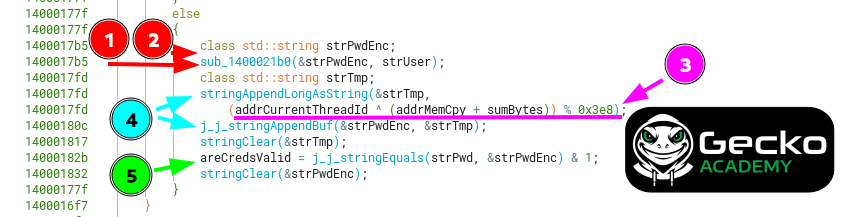
This post corresponds to the verbatim (non-modified) report I used to apply to Binary Gecko's Academy. This RE challenge consisted of a Windows PE with 7 "CrackMe"-styled levels of increasing difficulty. I hope the analysis and showcase of some techniques help you to learn something new.
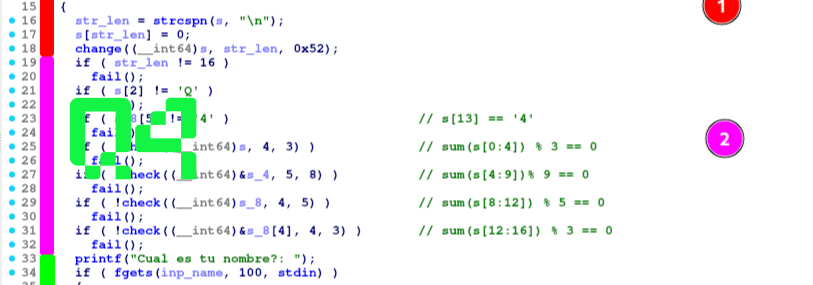
This post goes through the steps in solving the challenge "OhMyRe!" from the Q4 mini-CTF (2024). A detailed walkthrough of the main SMT problem related to the program is shown, and a solution using Z3 is presented shortly after.
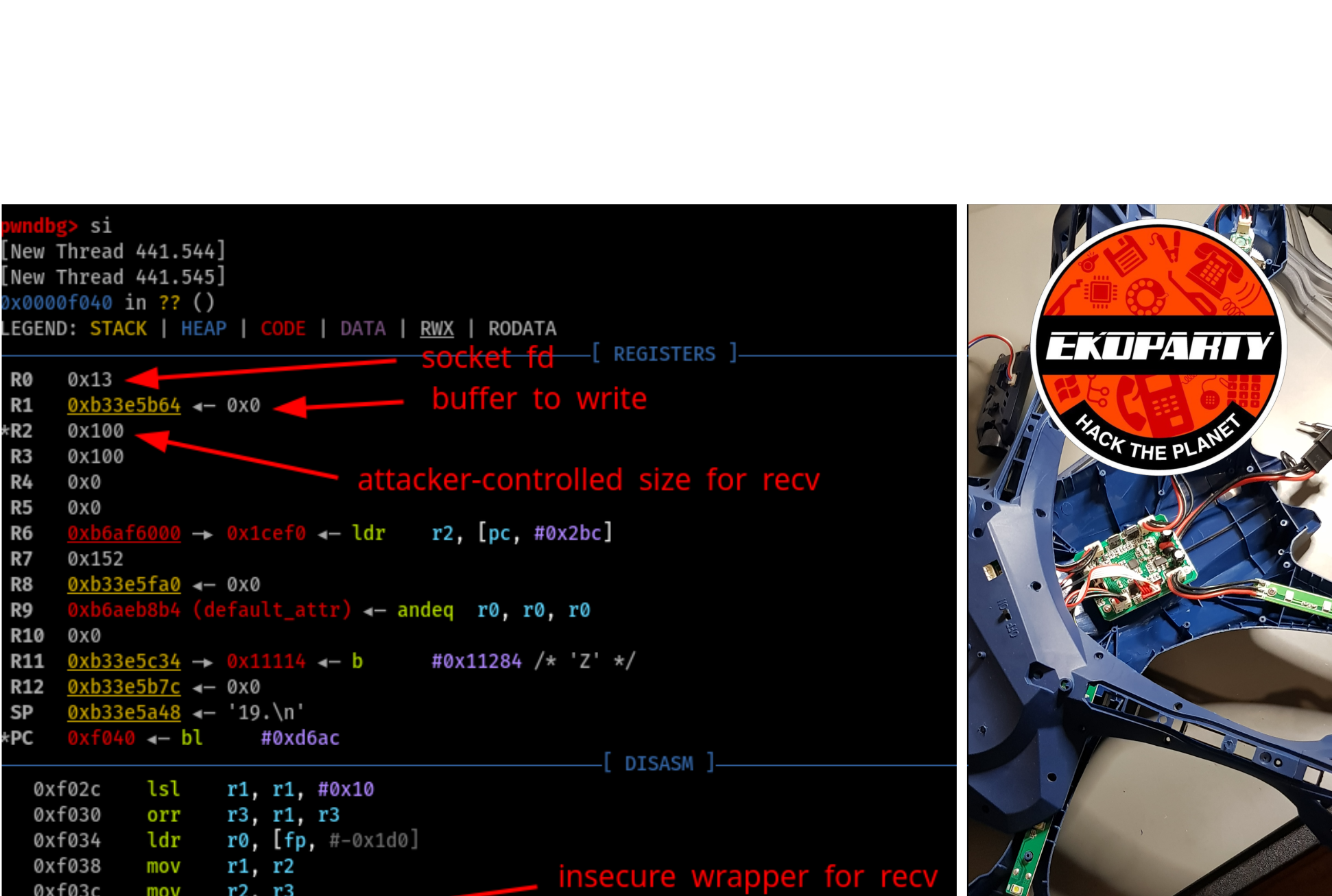
That time I presented a personal RE and vulnerability research project related to an old FPV drone I bought years ago. After RE-ing the old mobile app and it's native libraries, I ended up understanding the custom network protocol that was used for controlling and sending drone commands. This led me to find a buffer-overflow inside a recv function wrapper that handled commands sent over the custom protocol. The impact consisted in remote DoS, hijacking flow of execution and RCE.
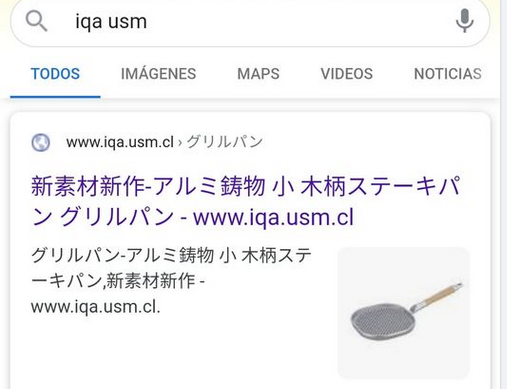
Old post from when I tried to understand more about the motives, benefits and how's behind the IQA subdomain defacement for UTFSM (2021), using only OSINT techniques and freely available tools.
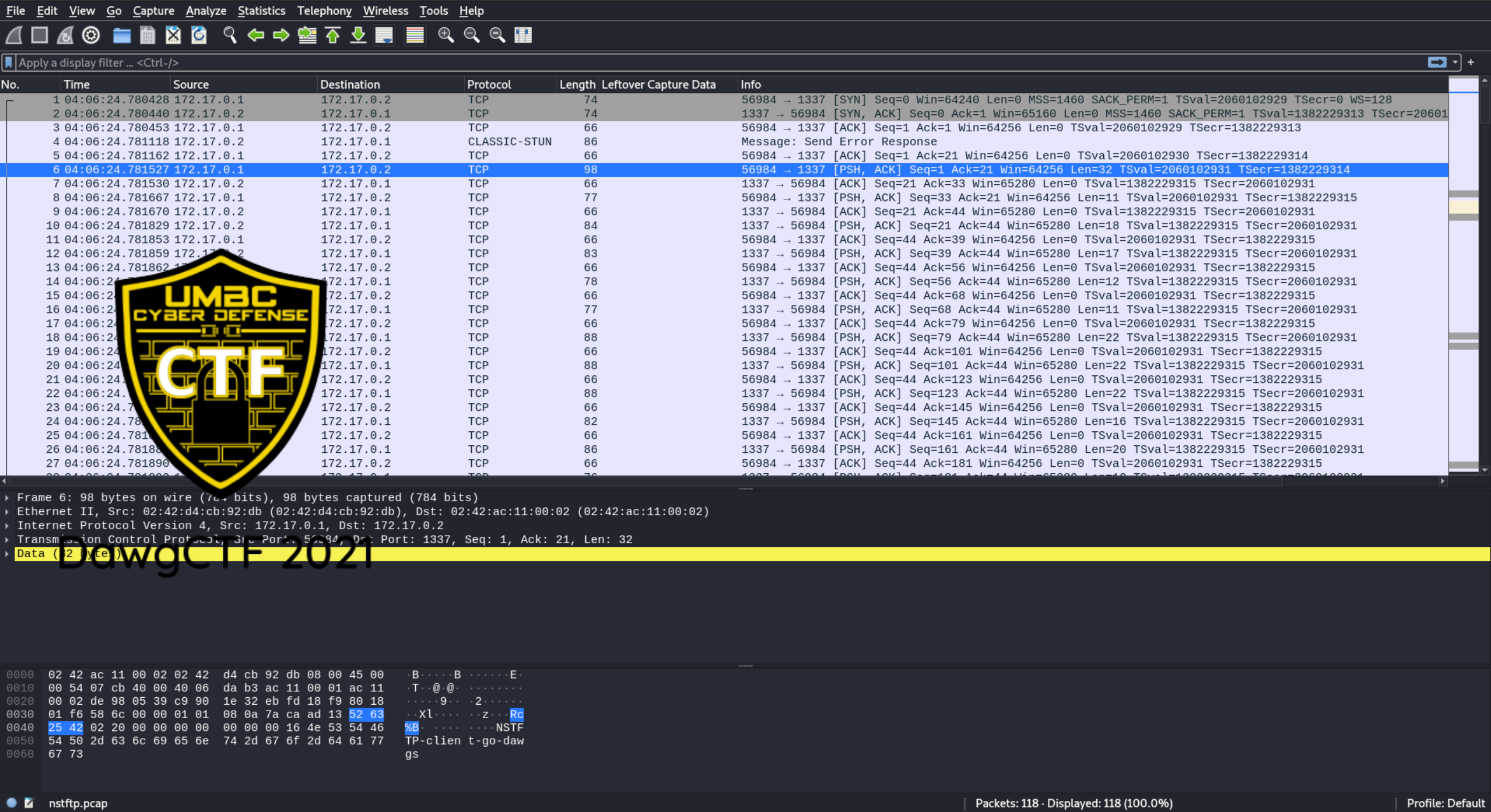
Old post from a CTF challenge. I reverse engineer a custom network protocol that's over TCP (Application Layer) from a PCAP file in order to create a client program that interacts with a custom-made server.